Johannesburg
South Africa's biggest city and the usual point of arrival. Gold-rush history, the Apartheid Museum, Soweto and good food, but you need to be streetwise.
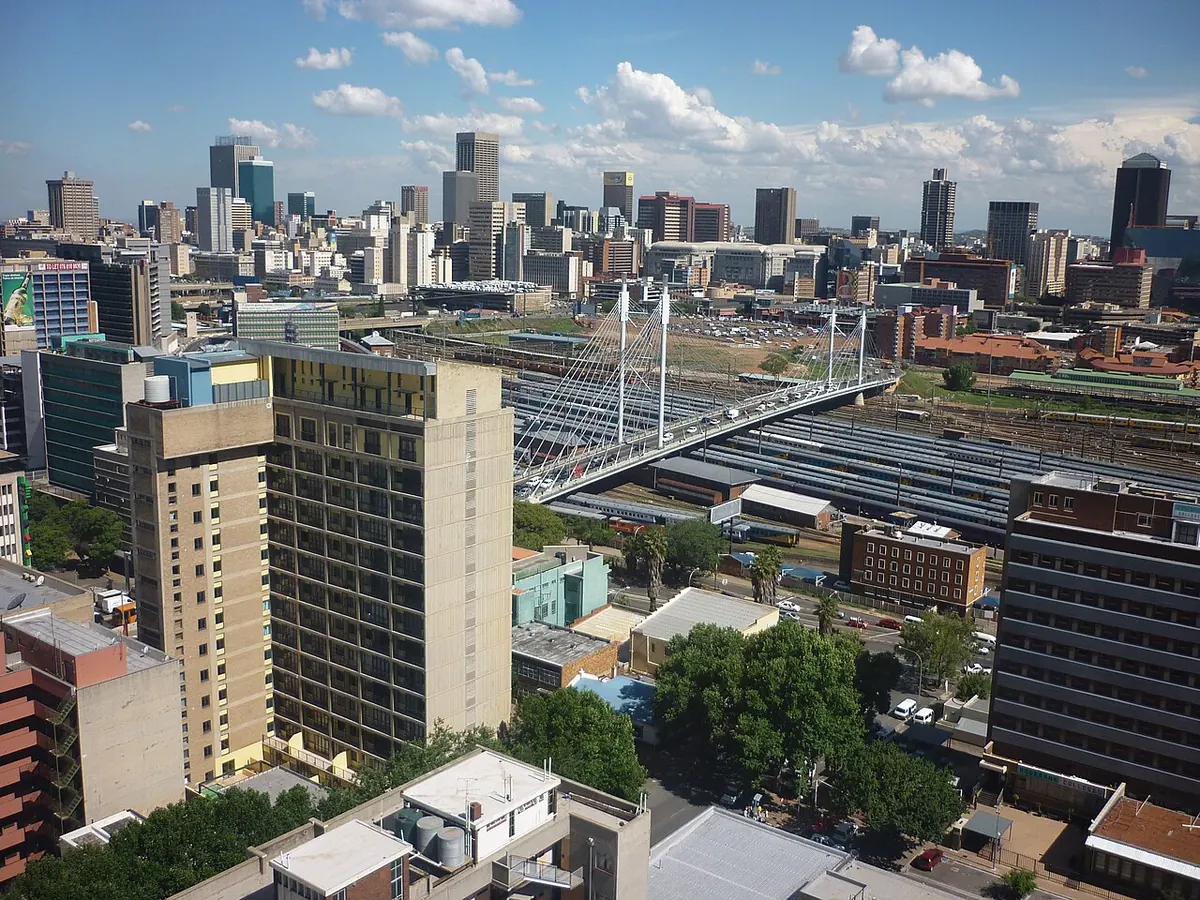

See every place on this map as a list
Johannesburg exists because of gold. Prospectors found the Witwatersrand reef in 1886 and the camp became the largest city in South Africa within a generation. It sits at about 1,750 m, so the air is thin and the light is sharp. Most overseas visitors land here and leave for Kruger or Cape Town the next morning, which is a pity. The apartheid history is told better here than anywhere else, and the food and music scenes are the liveliest in the country.
Getting there
O.R. Tambo International is 24 km east of the centre and is one of the busiest airports in Africa. The Gautrain is the easy way in: the airport line runs to Sandton in about 15 minutes, stopping at Rhodesfield and Marlboro. Rosebank, Park Station, Midrand and Pretoria are on the separate north to south line, so change at Marlboro or Sandton. It is clean and guarded.
The FCDO notes that criminals have followed arrivals from O.R. Tambo to their hotels. Book a transfer or take the Gautrain, and if you drive, stay on the main roads. Do not let a satnav route you through Alexandra on the way to Sandton.
In town, use Uber or Bolt. Metered taxis are scarce and the Metrorail commuter trains have a poor safety reputation.
When to go
Summer runs from October to April: hot days around 25 °C, then afternoon thunderstorms that clear by evening. Winter, May to September, is dry and sunny with cold nights that can drop below freezing. Almost all of the 713 mm of annual rain falls in summer. Pack a warm layer for winter evenings whatever the daytime forecast says.
What to do
Start at the Apartheid Museum in the south of the city, next to the Gold Reef City theme park. Constitution Hill in Braamfontein combines the Old Fort, the Number Four prison, the Women’s Jail and the Constitutional Court, on the site where, as the museum puts it, Gandhi, Luthuli, Mandela and Winnie Madikizela-Mandela took a stand.
Soweto is best seen with a guide. Vilakazi Street is the main visitor strip and has the Nelson Mandela museum in his old house. Regulars say a half-day tour with a local operator beats trying to navigate it alone.
Maboneng, east of the CBD, is a redeveloped precinct with 24-hour security and a Sunday market. Melville’s 7th Street is the bar and café strip. Rosebank and Sandton have the big malls, galleries and most of the hotels.
Good to know
Johannesburg has a high crime rate and visitors feel it. The rules that locals follow: do not walk around with a phone or camera visible, avoid the CBD at night and over weekends, stay out of Hillbrow, keep car windows up at traffic lights, and never resist a robbery. Carjacking and smash-and-grab theft at junctions are real risks, mostly after dark. Sandton, Rosebank, Melrose Arch and Melville are where people stay and walk about by day.
Tap water is safe to drink. The altitude catches some people out on the first day, so take it slowly.
In and around Johannesburg
250 PLACESPlaces to stay 54
- 26.18°S 28.11°E
- 26.18°S 28.02°EHotelGarden Court Milpark HotelCorner of Empire Road and Owl Street, Auckland Park+27 10 219 1000Details
- 26.19°S 28.10°E
- 26.18°S 28.01°E
- 26.18°S 28.11°E
- 26.18°S 28.09°E
- 26.18°S 28.11°EHotelCourtyard Hotel EastgateZulberg Close, Bruma Lake, Johannesburg
- 26.19°S 28.04°E
- 26.20°S 28.04°E
Sights 58
 Origins CentreMuseum
- Wits Art MuseumMuseum
 Apartheid MuseumMuseum
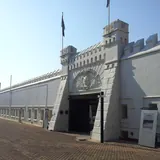 Constitution HillAttraction
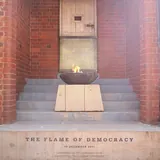 Flame of DemocracyMemorial
 Gold Reef CityAttraction
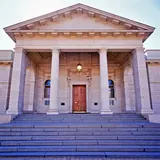 Johannesburg Art GalleryMuseum
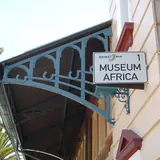 Museum AfricaMuseum
- AGOG GalleryGallery · Lower Ross Street, Johannesburg
- Fietas MuseumMuseum · 14th Street
Restaurants and cafes 113
- Olives and Plates The ClubRestaurant · breakfast, salad, sandwich, tapas, grill, burger, pasta+27 11 303 9282
- Bootlegger Coffee CompanyCafe · coffee shop
 Cramers CoffeeCafe · Johannesburg
 International Restaurant and Action BarRestaurant · Lilian Ngoyi Street
Bars and pubs 25
 GuildhallPub · Johannesburg
- The Benders ArmsPub · Johannesburg
- Thunderwalker & ZwipiPub · Johannesburg
- Cardiff ArmsPub
- Cheeky's Street BarPub
- Class of JoziBar
- DrosPub
- Hillbrow InnPub
- KB Pub & GrillPub