City · Erongo, Namibia
Swakopmund
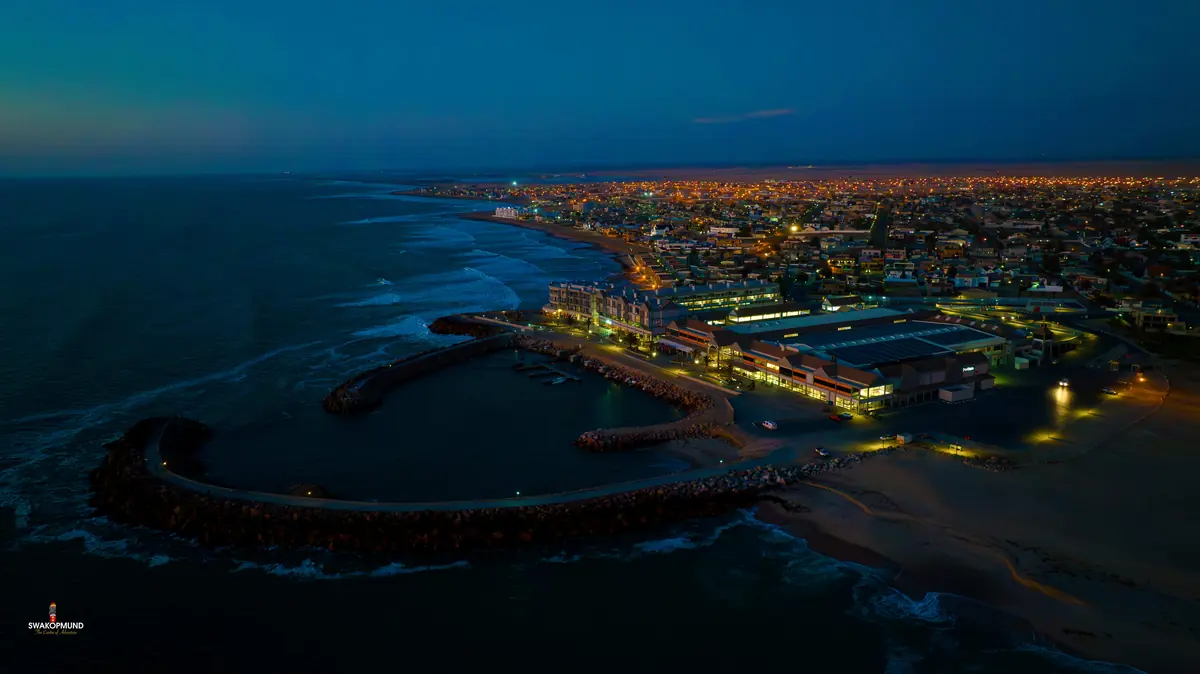
Namibia's main seaside town, founded as the German colony's port in 1892, with the Namib dunes at its edge, a cold Atlantic and the trips into the desert and up the Skeleton Coast.
Short answer
Swakopmund is in Erongo, Namibia. This page lists 81 places to stay, 68 places to eat and drink and 22 sights. The nearest park with an entry fee on this site is Dorob National Park, about 96 km away, where international adults pay from N$280.


- Malaria
- Erongo is not among the regions where the CDC recommends malaria tablets; it says malaria is rare outside the listed northern and eastern regions, so insect bite precautions are enough here.
- Places to stay
- 81
- Eat and drink
- 68
- Sights
- 22
In and around Swakopmund
174 places listedWhere to stay in Swakopmund 81
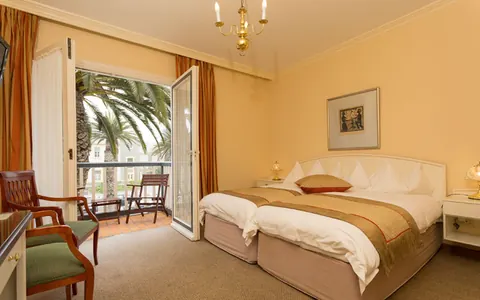
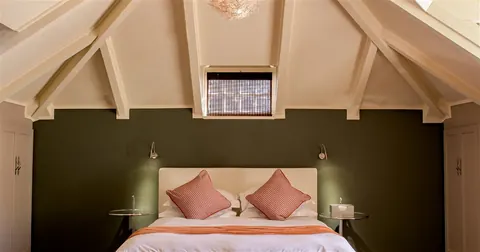
 HostelSalty Jackal Backpackers & Surf CampAnton Lubowski Avenue, Swakopmund+264 81 465 1465saltyjackal.com
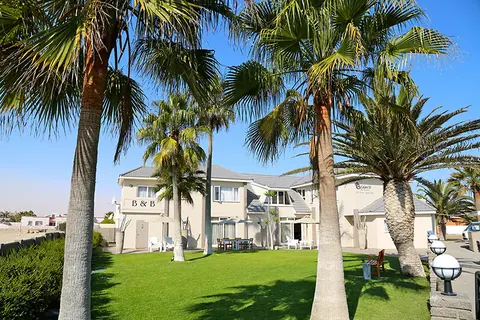

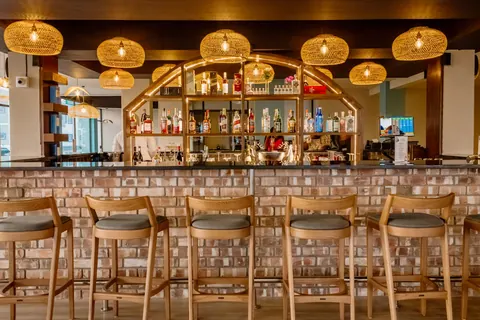
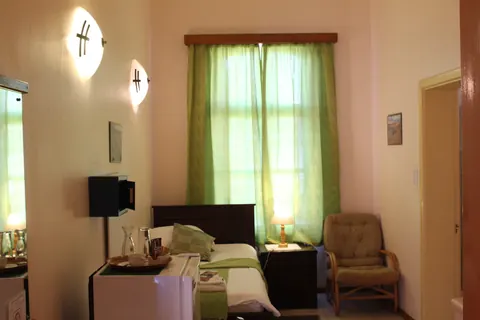

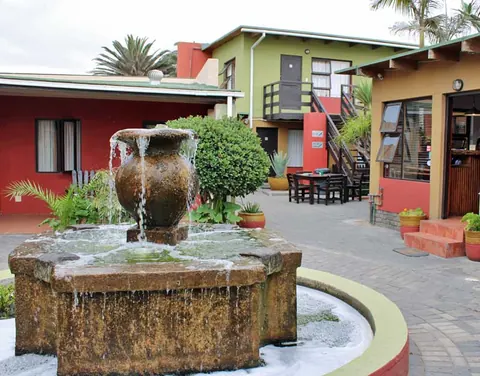
Show all 81 places to stay
- Meike's Guesthouse · Guest house+264 64 405 863meikes-guesthouse.net
- Swakopmund Plaza Hotel · Hotel · Libertina Amathila Avenue, Swakopmund+264 64 426 500swakopmund-plaza-hotel.com
- Artemis Hotel Swakopmund · Hotel+264 64 417 100artemis.com.na
- Beach Lodge · Hotel · Stint Street, Swakopmund+264 64 414 500beachlodge.com.na
- Casa al Mare · Guest house · Moses Garoeb Street, Swakopmundcasa-al-mare.com
- Desert Jackal Guesthouse · Guest house · Matadi Matheis Street, Swakopmund+264 81 747 7155desertjackal.com
- Driftwood Guesthouse · Guest house · 3 star · Riesle Street, Swakopmund+264 64 405 045
- Guesthouse Indongo · Guest house · Moses Garoeb Street, Swakopmundguesthouseindongo.com
- Sam's Giardino · Hotel · Anton Lubowski Avenue, Swakopmund+264 64 403 210
- Sea View Backpackers · Hostel+264 85 334 4567seaviewbackpackers.com
- Skeleton Beach Backpackers · Guest house · Moses Garoeb Street, Swakopmundskeletonbeachbackpackers.com
- Swakopmund Hotel & Entertainment Centre · Hotel
- Swakopmund Sands · Hotel · Strand Street, Swakopmundswakopmundsands.com
- The Delight Swakopmund · Hotel
- The Secret Garden · Hotel · Bismarck Street, Swakopmundsecretgardenguest.com
- Deutscher Schulverein Swakopmund · Hostel · Lüderitz Street, Swakopmund
- Swakopmund Guesthouse · Guest house · Hendrik Witbooi Street, Swakopmund
- The Sea · Guest house+264 81 672 2946at-thesea.com
- A la Mer · Guest house
- Desert Sky Backpackers · Hostel · Anton Lubowski Avenue, Swakopmund+264 81 210 6779desertskylodging.com
- Jetty Self-Catering · Guest house · Anton Lubowski Avenue, Swakopmund
- Namibia Nights Accomodation · Hotel · Daniel Tjongarero Ave+264 81 767 4881book.nightsbridge.com
- Organic Square Guesthouse 1 · Guest house · Rhode Allee, Swakopmund+264 64 463 979
- Organic Square Guesthouse 2 · Guest house · Rhode Allee, Swakopmund+264 64 463 979guesthouse-swakopmund.com
- Swakopmund Luxury Suites · Hotel
- Swakopmund Municipal Restcamp · Motel · Swakop Street, Swakopmund
- Amanpuri Travellers Lodge · Hotelfacebook.com
- Charlies Guesthouse · Guest house · Aukas Streetcharlies-guesthouse.com
- Cornerstone Guesthouse · Guest house · Hendrik Witbooi Street, Swakopmund
- Hotel-Pension d'Avignon · Hotel · Libertina Amathila Avenue, Swakopmund
- Mile 4 Caravan Park · Caravan park · Dolphin Drive, Swakopmundmyguidenamibia.com
- Namib Guest House · Guest house
- Royal Sea Star Guesthouse · Guest house · Dolphin Street, Swakopmundroyalseastar.com
- Sandfields Guesthouse · Guest house · Sphinx St+264 64 463 136
- Sea Side Hotel & Spa · Hotel · Dolphin Drive, Swakopmundseasidehotelandspa.com
- Tiger Reef Camping · Campsite · NA
- Alte Brücke Resort · Campsite · NA
- Camp Langstrand · Campsite · NA
- Desert Breeze Lodge · Hotel
- Haus Garnison · Guest house · Tobias Hainyeko St (Mittel St)
- Hotel Deutsches Haus · Hotel
- Hotel Eberwein · Hotelhotel-eberwein.com
- Long Beach Lodge · Guest house
- Prost Hotel · Hotel
- Strand Hotel Swakopmund · Hotel
- The Stiltz · Hotel
- Bushbabies-Inn · Hostel · Rhode Allee, Swakopmund
- Fischreiher Guesthouse · Guest house · Fischreiher St, Swakopmund
- GreenArt Yard Cottage · Hostel · Hidipo Hamutenya Avenue, Swakopmund
- Marietjies Guesthouse · Guest house · Swakopmund
- Orange House · Guest house+264 64 462 837
- Rocky Shore Guesthouse · Hostel · Hidipo Hamutenya Avenue, Swakopmund
- Sea Breeze Guest House · Guest house+264 64 463 348
- The Sea Horse Guest House · Guest house+264 64 462 743
- Atlantic Garden Boutique · Hotel
- Atlantic Villa · Hotel
- Beach Garden Guesthouse · Guest house
- Burning Shore Hotel · Hotel
- Desert Sky Backpackers Campsite · Campsite
- Fritz Manor B&B · Guest house
- Gecko Ridge Guest House & Camping · Guest house
- Gondwana The Pearls Beach Pods · Hotel
- Hotel Schweizerhaus · Hotel
- Jaco se huis · Guest house
- Lifestyle B&B · Hotel
- Pension Rapmund · Guest house
- Seagull B&B · Guest house
- Shevita Guesthouse · Guest house
- The Mole · Guest house
- Villa Wiese · Guest house
- Vogelstrand Guest House · Guest house
- Youth Hostel · Hostel
Sights 22
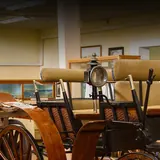
 Kristall GalerieMuseum+264 64 406 080kristallgalerie.com
- Rogl Souvenirs & GalleryGallery · Sam Nujoma Ave, Swakopmund+264 81 436 4314roglsouvenirs.com
- The Living Desert Snake ParkZoo · Libertina Amathila Avenue, Swakopmund+264 64 405 100
 Marine MemorialMemorial
 State HouseAttraction
 WoermannhausAttraction
- Desert ExplorersAttraction+264 64 406 096namibiadesertexplorers.com
 Martin Luther Steam EngineMuseum
- Eiermannhaus Art GalleryGallery+264 64 403 939
- Swakopmund Genocide MuseumMuseum · Deuteronomy Street, Swakopmund
- Alte Kaserne (Old Barracks)Castle · Libertina Amathila Avenue
Show all 22 sights
- Dept Sea Fisheries · Viewpoint
- Flamingo Lagoon · Attraction
- Genocide Monument · Memorial
- Herero Memorial · Memorial
- Mole · Viewpoint
- Mole · Beach
- Old Station · Attraction
- Otavi Bahnhof · Museum
- Pebble Beach · Beach
- War Memorial · Monument
Fishing spots 1
- Pompstasie Fishing AreaFishing spot
Restaurants and cafes 59
 Old Sailor SwakopmundRestaurant · fish, african, regional, grill, seafood, local, pizza, german · Tobias Hainyeko St (Mittel St)+264 64 463 463old-sailor-swakopmund.com
 Altstadt Restaurant SwakopmundRestaurant · Hendrik Witbooi Street, Swakopmund+264 64 461 871facebook.com
 The TugRestaurant · seafood+264 64 402 356the-tug.com
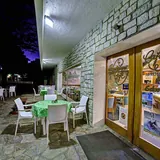 Café AntonCafe+264 64 400 331schweizerhaus.net
 Swakopmund BrauhausRestaurant+264 64 402 214swakopmundbrauhaus.com
- AfroFusionRestaurant · african · Nathaniel Maxuilili Streetafrofusio.com.na
- BluegrassRestaurant · burger, fish, fish and chips, grill, seafood, steak house · Platz am meer+264 64 461 090bluegrassnam.com
- The WreckRestaurant · burger, fish, grill, seafood, steak house · Stint Street, Swakopmund+264 64 414 528the-wreck.com
- Village CafeCafe · Sam Nujoma Avenue (Kaiser Wilhelm St)+264 64 404 723villagecafenamibia.com
 Cafe MoleCafe
- GarnishRestaurant · indian · Hendrik Witbooi Street, Swakopmundgarnish-restaurant.com
- Old SteamerRestaurant · Strand St+264 81 430 3923facebook.com
Show all 59 restaurants and cafes
- Sophia Dale · Restaurant · germansophiadale.org
- Sorellas · Cafe · Daniel Tjongarero Ave, Swakopmund+264 81 767 4881projectidea13.co.za
- Kücki's Pub · Restaurant · meat, seafood · Swakopmund
- Pizzeria Wurstbude · Restaurant · pizza
- Stadtmitte Cafe · Cafe · breakfast, coffee shop, tea · Sam Nujoma Avenue
- La Cuisine · Restaurant · Daniel Tjongarero Avenue, Swakopmund
- Napolitana · Restaurant · italian
- Secret Garden Bistro · Restaurant · Bismarck Street, Swakopmund
- Tonis Fachwerk Biergarten · Restaurant · Tobias Hainyeko Street, Swakopmund
- Alte Brauereistube · Cafe
- Ambrosia · Restaurant · mediterranean
- Anchor Point · Restaurant · Swakopmund
- Bojo's · Cafe
- Books & Fine Art · Cafe · Swakopmund
- Butcher & Brewer · Restaurant · meat
- Cai Tai Thai · Restaurant · asian
- Chez Wou · Restaurant · chinese
- De Kelder · Restaurant
- Elysian Catch · Restaurant · Swakopmund
- Gabriele‘s Pizzeria · Restaurant · italian pizza
- Ocean Cellar · Restaurant
- Raith's Café & Ice Cream · Cafe · ice cream
- Slowtown · Cafe · coffee shop
- The Shed · Cafe · burger, cake, coffee shop, tea
- Andy's Oyster and Sushi Restaurant · Restaurant
- Beryl's Restaurant · Restaurant
- Bourbon Braddah · Restaurant
- Cafe Bonjour · Cafe
- Cafe Treffpunkt · Cafe
- Cosmopolitan · Restaurant
- Erik's Cove · Restaurant
- Farm Kitchen · Restaurant
- Farmhouse Deli · Restaurant
- Garden Café · Cafe
- Hafeni Traditional Restaurant · Restaurant
- Krisjans · Cafe
- Lighthouse Restaurant · Restaurant
- Namib Restaurant · Restaurant
- Platform One · Restaurant
- Tea Time · Cafe
- The Dome · Restaurant
- The Fish Deli · Restaurant
- The Pancake · Restaurant
- Two Beards · Restaurant
- Wild Rocket · Restaurant
- Desert Creek Spur · Restaurant · steak house · Woermann Street+264 64 462 755
- Mugg & Bean · Restaurant
Bars and pubs 9
- The Swakopmund ClubBar · Anton Lubowski Avenue, Swakopmund
- Bar ZonderBar · Tobias Hainyeko Street, Swakopmund+264 81 429 5396
- Makiti CentrePub · Shaanika Nashilongo Street, Swakopmund
- Alte WäschereiPub
- Desert TavernPub
- Makiti BarBar
- Strong BarBar
- Swakopmund HotelBar
- Tiger Reef Beach BarBar
Wineries, breweries and distilleries 2
- Namib Dunes Craft BreweryBrewery · Einstein St, Swakopmund+264 81 124 7647namibdunes.business.site
- Swakopmund Craft DistilleryDistillery
Swakopmund is where Namibia comes to cool off. It sits at the mouth of the Swakop River between the Namib dunes and a cold Atlantic, and the old centre still looks like a German seaside resort, as its colonial builders intended. The 2023 census counted close to 76,000 people in Swakopmund constituency. Most tours stop for a night or two.
Getting there
The tarred B2 runs a little over 350 km from Windhoek, four to five hours’ drive, and on 35 km to Walvis Bay. Scheduled flights land at Walvis Bay airport, 15 km east of that town; Swakopmund’s own airfield is for skydivers and charters. Intercape coaches and shared minibuses come from Windhoek; check before relying on the train.
Along the coast, the C34 has been tarred between Swakopmund and Henties Bay since 2019. North of there it is a salt road, and sea fog makes it a risky drive. The C28 and C14 inland are gravel. Fill up and stock up here or in Henties Bay before the Skeleton Coast, where supplies are very limited.
When to go
The weather barely moves. Days average around 18 to 23°C, nights 10 to 16°C, and the town gets under 20 mm of rain a year. Fog off the Benguela Current greys many mornings and winter nights can fall below 10°C, so bring a warm layer. The sea stays between about 12 and 17°C. December and January are the busy season, so book early.
What to do
Quad biking and sandboarding happen in the dune belt south of the Swakop River, towards Walvis Bay, and scenic flights go over the desert and the Skeleton Coast. For something slower, a morning living desert tour goes looking for the small animals of the dunes, such as the Namib dune gecko.
In the old centre, the Woermannhaus with its tower is now the library, the railway station of 1901 is a hotel and casino, and the jetty, reopened in 2006, is the sunset spot. The Swakopmund Museum by the lighthouse covers the coast’s natural history and, since 2024, the genocide of 1904 to 1908. The Kristall Galerie shows a quartz cluster of over 14 tonnes found in Erongo. The National Marine Aquarium closed for repairs in 2023; check before you go.
Inland, the Welwitschia Drive through the Moon Landscape makes a half day. There is no bridge over the sandy Swakop riverbed, so let your tyres down and take a pump.
Good to know
Erongo is not one of the regions where the CDC and UK health advisers recommend malaria tablets, so avoiding bites is enough. Swim only behind the breakwater opposite the Strand Hotel, as the current is strong. Driving on the town’s beaches is banned, and off-road driving is allowed only in the marked part of the dune belt, with a free ministry permit. Part of the Moon Landscape is in Namib-Naukluft National Park; where a turn-off says permit required, get one at the ministry office in town first. Keep valuables out of parked cars.
History and culture
Swakopmund was built on bare sand in the 1890s because Germany needed a harbour of its own, Walvis Bay being British. It became the landing place for the colony's soldiers, settlers and goods, held concentration camps during the genocide of 1904 to 1908, and later turned into a holiday town for the territory's white population. The German buildings, the colonial war memorial and the memorials to the genocide's victims all stand within the same small town.
- 1793
The Dutch explorers Sebastian van Reenen and Pieter Pienaar described the area as green, with elephants and rhinos. source
- 1892 to 1893
With the natural harbour at Walvis Bay in British hands, the German colony put up beacons at the Swakop mouth in August 1892 and chose it for its fresh water and its route inland. The first Schutztruppe (the colonial army) soldiers and settlers landed in 1893 and had to dig shelters in the sand. Kru boatmen from Liberia, 600 of them employed by the Woermann line, brought people and cargo through the surf. source
- 1902
The first railway in the colony opened from Swakopmund to Windhoek, 382 km across the desert and up to 1,637 m. The same year work began on the lighthouse and a landing pier. source
- 1904 to 1908
During the German war against the Herero and Nama, now recognised as genocide, a concentration camp for Herero and Nama prisoners operated in the town. Inmates were forced into slave labour, and about 2,000 Herero died. source
- 1915 to 1950s
South African troops took German South West Africa in 1915. Walvis Bay was no longer foreign territory, so all harbour work left Swakopmund, government offices closed and the town declined. It was remade as a seaside resort for the territory's white population and kept growing as one through the 1940s and 1950s. source
- 1960s and 1970s
Under apartheid, Mondesa was laid out in 1960 as a separate township for Black residents, and Tamariskia became the district for people classed as coloured. source
- 1966 to 1990
The United Nations ended South Africa's mandate over South West Africa in 1966, but South Africa held on, applying apartheid laws while SWAPO (the South West Africa People's Organisation, founded in 1960) fought for independence. After UN-supervised elections in November 1989, Namibia became independent on 21 March 1990. source
- 1990s to 2015
After independence the council renamed many German and Afrikaans streets after Namibians, most of them Black Namibians. In 2009 the old German imperial flag was dropped from the town's coat of arms and replaced by the arms of Namibia, and in 2015 the Swakopmund Genocide Museum opened in Matutura. source
- Language
- In the 2023 census, 38% of people in Swakopmund constituency spoke one of the Oshiwambo languages at home, mainly Oshikwanyama and Oshindonga, 23% Afrikaans, 18% Khoekhoegowab (the Nama and Damara language), 8% English and 7% Otjiherero. German was the home language of 931 people, a little over 1%. source
- German Swakopmund
- Only about 2% of residents are of German descent, yet Swakopmund is still called Namibia's most German town. The Lutheran church, built before the First World War in neo-baroque style, holds its Sunday services in German. source
- Food and drink
- Menus here lean on two things: solid German food and whatever the cold sea provides. The drink to try is Hansa draught, and Namib Dunes is the town's own craft brewery. source
- Architecture
- The old centre is mostly German building from the first years of the 20th century, so expect half-timbering, towers and Art Nouveau (Jugendstil) touches. Haus Hohenzollern, built as a grand hotel in 1906, is now flats. source
For German visitors: The Hamburg shipping firm Woermann started a regular freight service to Swakopmund in 1894, and for years everything the colony needed came in through here. Its trading house, the Woermannhaus, still stands in the centre. source
For German visitors: Wilhelm Külz, sent out in 1907 as Reich commissioner for local self-government, drew up the system of town councils brought in across the colony in 1909, when Swakopmund became a municipality. He was later Reich interior minister and mayor of Dresden, removed in March 1933 after refusing to fly the swastika flag on the town hall. source
For German visitors: Namib High School began in 1913 as the Deutsche Oberschule Swakopmund and kept that name until 1997. Since December 2023 the town has had a project partnership with Gießen. source
For German visitors: In 2022 Germany pledged 50,000 euros to the Swakopmund Genocide Museum to help it grow, including restoring mass graves. source
For American visitors: Angelina Jolie and Brad Pitt came to Namibia to avoid the press for the birth of their daughter Shiloh, born in Swakopmund on 27 May 2006. They sold the first photographs and gave the money to UNICEF. source
For American visitors: Peter Thiel, the PayPal co-founder, spent two years at a German-language school in Swakopmund in the 1970s, an experience of uniforms and strict discipline he has said shaped his dislike of regimentation. source
For American visitors: The Genocide Museum's founder Laidlaw Peringanda has been in dispute with the American Museum of Natural History in New York, which holds Namibian human remains taken in the colonial era. source
Main sights in Swakopmund
7- Swakopmund Museum
The town museum long told only the colonial story of German success. In 2024 it opened its first exhibition on the genocide, built on research showing five camps in Swakopmund between 1904 and 1908, four run by private firms for their workers and one by the military.
New Era: Swakopmund museum spotlights Nama, Ovaherero genocide (3 April 2024) - Swakopmund Genocide Museum
A tiny private museum in Matutura founded in 2015 by the artist and activist Laidlaw Peringanda, whose great-grandmother survived the Swakopmund camp. It shows photographs from the camps, campaigns for the return of remains and artefacts, and runs tours of the mass graves at the cemetery.
Wikipedia: Swakopmund Genocide Museum - Ovaherero and Nama memorial
Memorial Park in Kramersdorf, the old African Cemetery, has a memorial to the Ovaherero and Nama who died in the German concentration camps of 1904 to 1908. Thousands of the dead there were never given a named grave.
The Namibian: Genocide memories alive through silent desert (31 May 2026) - Marine-Denkmal (Marine Memorial)
Unveiled on 1 August 1908, it honours the German marine corps that helped put down the Herero uprising of 1904. It is a national monument; protesters splashed it with paint in 2015 and some called for it to be sent back to Germany, which the Namibian government refused.
Wikipedia (German): Marine-Denkmal (Swakopmund) - Woermannhaus
Built for the Hamburg merchant and shipowner Adolph Woermann's trading company, with the Damara tower that served as lookout for ships, water tower and flagpole. After years as a hostel it was restored, reopened in 1976 and now houses the library.
Wikipedia (German): Woermannhaus (Swakopmund) - Old railway station
Built in 1901 for the line to Windhoek, with a clock tower added by Wilhelm Sander. It served as a station until 1994, when it became a hotel with a casino, and is a national monument.
National Heritage Council of Namibia: heritage places - Alte Kaserne (Old Barracks)
Put up in 1905 and 1906 for the railway construction company building the landing quay, then used by German soldiers until the First World War and later a school. It has been a youth hostel since 1993.
National Heritage Council of Namibia: heritage places
Did you know?
- Rain is so rare, under 20 mm a year, that few buildings in town bother with gutters or drainpipes. source
- Martin Luther, the steam traction engine on the edge of town, was built in Leeds in 1895 to replace ox wagons on the haul inland. An American and a Boer took three months to drive it from Walvis Bay, sinking in the sand almost every 50 metres, and it broke down for good about 4 km out in 1897. A local joked that, like Luther, it could say 'Here I stand, I can do no other'. source
- The Kristall Galerie holds the largest quartz crystal cluster on display anywhere: 3 m high, 14,100 kg, about 520 million years old, and found on a farm in Erongo in August 1985. source
- The steel jetty begun in 1912 was meant to reach 640 m out to sea. The First World War stopped work at 262 m. It was closed in 1983 as it decayed, and reopened in 2006 after a rebuild paid for largely by donations. source
- The Swakop River (Tsoaxaub in Khoekhoegowab) that gives the town its name runs about 40 million cubic metres a year, but it seldom reaches the sea. It last did in 2011, 2022 and 2025. source
- The Rössing mine, 70 km inland, was found in 1928 and opened in 1976. Most of its workers live in Arandis or in Swakopmund. source
Checked 7 October 2026.
Wildlife you might see
12- very likelyCape fur sealThe breeding colony at Cape Cross, about 120 km north on the C34. About 100,000 breed there from October to Decembersource
- likelyFlamingosThe open salt pans of the Mile 4 salt works just north of town, where roads run beside the panssource
- likelyWaterbirds at the Swakop River mouthThe small freshwater lagoon at the river mouth on the south side of townsource
- likelyNamib dune gecko (web-footed gecko)Dune belt between Swakopmund and Walvis Bay, on a guided living desert tour. Morning tours, while the guides read the night's trackssource
- likelyShovel-snouted lizardDune belt between Swakopmund and Walvis Bay, on a guided living desert tour; on hot sand it lifts alternate feet to cool themsource
- possibleNamaqua chameleonDune belt between Swakopmund and Walvis Bay, on a guided living desert toursource
- possiblePeringuey's adder (sidewinder)Buried in the sand of the dune belt with only its eyes showing, on a guided living desert toursource
- possibleFog-basking beetlesDune crests on foggy morningssource
- possibleHeaviside's dolphin (Benguela dolphin)On marine boat tours from Walvis Bay, south of townsource
- possiblePelicansOn marine boat tours from Walvis Baysource
- rareNamib golden moleUnder the sand of the dunes; it is blind and 'swims' through the sand at night, so it is seldom seensource
- rareSouthern right whaleOccasionally seen on boat tours from Walvis Baysource
Likelihood is for a normal visit of two or three days, from the sources linked. Nothing is guaranteed in the wild.
Staying safe in Swakopmund
- Malaria
- Erongo is not among the regions where the CDC recommends malaria tablets; it says malaria is rare outside the listed northern and eastern regions, so insect bite precautions are enough here. If you drive on into Kunene or the far north, take advice before you go. source
- Sea
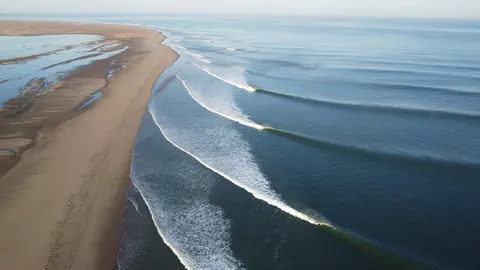
- Even a few metres out the water is cold in every season, the surf is heavy and the Benguela Current sets north along the shore. The safe place to swim is the stretch in front of the Strand Hotel, sheltered by the breakwater. South of town the beaches have no breakwater and take the full force of the waves. source
- Sun in the fog
- Fog and a cool wind hide how strong the sun is, so people burn on grey days without noticing. Wear sunscreen and a hat on the dune trips whatever the weather. source
- Driving in the dunes
- Driving is banned on the Swakopmund seafront beaches, and quads may not use the beaches between Swakopmund and Walvis Bay. Off-road driving is only allowed in the marked area of the dune belt between Langstrand and Walvis Bay, with a free permit from the ministry, and not between 21:00 and 05:00. The Swakop River is closed to vehicles. These rules date from 2011, so check with the ministry office. source
- Gravel roads
- Accidents are common on gravel roads, and many break up in the January to April rains. Keep to 80 km/h or less, carry two spare tyres and plenty of water, and do not drive outside towns at night, when animals and livestock are on the road. Check what your hire car insurance covers, as most policies exclude single-vehicle accidents. source
- Theft
- Swakopmund is mostly a safe town. Keep bags and phones out of sight in the car, pay a car guard where there is one, and leave the car at your lodging overnight because the guards go home when the restaurants close. After dark, do not walk empty streets on your own. Be wary of people who come up to you on the street; newcomers are the usual target. source
Tips from travellers
- Living Desert Adventures collects from guesthouses in Swakopmund between 08:00 and 08:15 and is back by 12:00 to 13:00. There is no toilet on the way, so go first, and bring a hat, sunscreen and sunglasses, plus something warm if the morning is cold. Its price includes the Dorob park fee. one source
- Make sure your travel insurance covers quad biking, sandboarding and hot air ballooning before you book them. official
- Keep well back from the welwitschias on the Welwitschia Drive, as their roots are easily damaged, and never take any part of a plant. several sources
- Police have detained people for photographing the president's official residence. The president also has a residence in Swakopmund, so check before you take pictures of it or of any other government building. official
- Buy food, water, medicines and fuel in Swakopmund or Henties Bay before heading up the Skeleton Coast. Supplies inside the park are very limited and distances are long. several sources
- Book the popular restaurants a few days ahead for weekends and holidays. several sources
Checked 7 October 2026. Conditions change, so confirm with the park or venue before you go.
The harbour the sand took back and the town that played the Village
Kurd Schwabe took command of the Swakopmund station late in 1893 and later put his quarters into print. Windows: none, though the wind found its way in through the gaps. The floor was fine sand alive with fleas and the furniture was packing crates. Twenty paces off, a father and son called Unglaube lived in a cave dug into the sandbank and boarded up at the front. Its roof was corrugated iron, sailcloth and scraps of roofing paper laid across whale bones, which lay about in the sand for the taking. The two ran a field smithy at the door and, by Schwabe’s account, made good money mending wagons. In 1894 the whole settlement came to 19 people.
A harbour that worked for about a year
The Mole, the breakwater beside the town’s swimming beach, is a failed harbour. Work on it began on 2 September 1899 to a design by the engineer F. W. Ortloff, and it opened in February 1903. The Benguela Current runs north along this coast and carries sand with it. A year on, the basin had filled so far that even light boats could reach the pier only at high tide, and inside five years a sandbank had shut the entrance.
So the Germans started again a little to the south. A wooden jetty about 275 metres long went up between October 1904 and April 1905, with three sets of rails for cranes and railway wagons, and from 1907 copper and Karibib marble went out over it. It was built of spruce and the worm got into it. The iron jetty that stands now was the third attempt, and the war stopped that one.
The river finished the job. When the Swakop came down in flood in 1934 it destroyed the railway bridge, only three years old, and left the sea silted up almost to the end of the jetty. After that the jetty belonged to the anglers. One local history column records a single ship tying up to it, a South African warship in 1952.
The town that played the Village
In 2008 a television crew came to remake The Prisoner, with Ian McKellen and Jim Caviezel. The 1960s original had used Portmeirion in Wales. This time Swakopmund played the Village, the pretty town nobody is allowed to leave. One safari company’s notes on the town say that on a Monday in a quiet month a visitor could think half of it had shut, which sounds about right for the part.
Mad Max: Fury Road followed in 2012, for an odd reason. It was meant to be shot at Broken Hill in Australia, but heavy rain covered that desert in wildflowers, which is no use for the end of the world. The production moved to the dunes and gravel plains of Dorob, outside town, and filmed from July to December.
The row came afterwards. Tommy Collard, a Swakopmund dune guide, said the crew had cut tracks across untouched ground and then dragged nets over them, pulling out plants as they went. The environment ministry’s top official listed the tidying-up kit with a straight face: nets, tyres, brooms, chains, ropes and leaf blowers. The Namibia Film Commission took out a full-page newspaper advertisement to give the production a clean bill. On the 4x4 Community forum that week the overlanders were split. One blamed the officials who wrote the permit, and another pointed out that plenty of local and regional drivers do as much damage. Tyre marks on these gravel plains take decades to fade, which is why anyone cared.
The cable beside the Walvis Bay road
On the way out of town towards Walvis Bay, gravel flats beside the road are shut off behind cable barriers, put up in November 2000. They protect the nesting ground of the Damara tern, a seabird 23 cm long and the smallest tern that breeds in Africa. About 98% of the breeding birds nest in Namibia. A pair usually lays one egg in a scrape on bare gravel, and roughly a third of chicks live to fly. Before the cable went up, off-road drivers wrecked one breeding season after another.
Rod and Sigi Braby ringed the terns here for years, and one of their birds has been seen on a beach in Lagos, some 4,000 km up the coast. To see them, come in the southern summer. They are on nests in November and gone north by April. Stay outside the cable and watch the water just behind the breakers, where they dive for small fish.
What the dune tours really turn up
Collard started his tour company in 1997 and died in February 2025. The living desert tours he built still run under his name, led by guides he trained.
Everybody on one of these mornings hopes for the sidewinder. Be ready not to get it. A traveller who went out with another operator in 2014 watched his guide follow the snake’s tracks to a bush and dig until there was a small dune of spoil beside it. No snake. He did get a white lady spider, a gecko, a sand-diving lizard and two chameleons, though the first chameleon search ended with plenty of tracks and no animal. A blogger who spent five hours in the dunes with Collard himself came back with a photograph of the adder. A magazine writer on a 2026 tour describes holding a gecko and watching the guide feed a chameleon from a jar of live worms, and mentions the sidewinder only as something visitors may glimpse.
The gecko is in all three accounts, so call that one the safe bet. The snake is a maybe.
Quick answers
What animals can you see in Swakopmund?
Most visitors see cape fur seal. You have a good chance of seeing flamingos, waterbirds at the swakop river mouth, namib dune gecko (web-footed gecko) and shovel-snouted lizard. Namib golden mole and southern right whale are there but rarely seen.
Guides for Swakopmund
Map of Swakopmund
See every place on this map as a list