Addo
Citrus town in the Sundays River Valley about 72 km from Gqeberha, and the usual base for Addo Elephant National Park, river cruises and the Alexandria dunes.

See every place on this map as a list
Addo is a small farming town in the Sundays River Valley, east of the river and about 72 km north-east of Gqeberha. On its own it would be a packhouse-and-railway-siding sort of place in one of the country’s biggest citrus areas. What puts it on maps is the national park next door. The main camp of Addo Elephant National Park is just outside town, so this is where most people sleep, eat and fill up before a day of elephants.
Getting there
Most people come from Gqeberha. The park is under an hour’s drive from the city, and there is no public transport to or inside it, so a car or an organised tour is the only way to do it properly. Wikivoyage recommends using the N2 and avoiding the R335 route through Motherwell because of crime. The main camp is reached on the R342 near Addo town; the small Matyholweni camp in the south is the Colchester entrance. The Sundays River Valley proper begins at Colchester, about 37 km from Gqeberha on the N2.
When to go
There is game to see all year. South African Tourism singles out October, when the orange blossom is out across the valley, and the shoulder months of April to May and September to October. Kirkwood’s citrus season runs April to September.
What to do
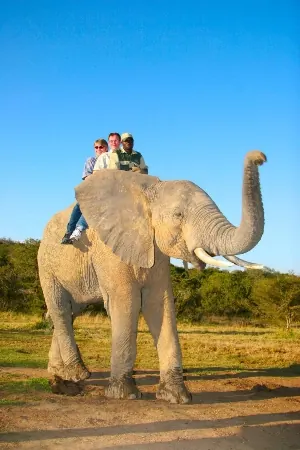
The park is the reason to come. It covers more than 180,000 ha, is billed as the third largest national park in southern Africa, and holds more than 600 elephants. It started small: about 680 ha were set aside in 1931, and Visit Eastern Cape says there were only 11 elephants at the start. Lion, black rhino, buffalo, leopard and hyena are also there, and out at sea the marine section brings in southern right whales and great white sharks, which is why you will see it sold as Big 7. Normal sedans cope with the roads. The underground hide at main camp overlooks a waterhole, and there are guided game drives and two-hour horse trails.
Back in the valley, the Sundays River is used for canoe trails and slow boat cruises, and Colchester is the jumping-off point for sandboarding and sledding on the Alexandria dune field, described as the largest coastal dune field in the southern hemisphere. Citrus farm and packhouse tours, a raptor and reptile centre, quad biking and winter polo fill the gaps. Adrenalin Addo, about 20 minutes from the park, runs a double zipline and a big swing.
Good to know
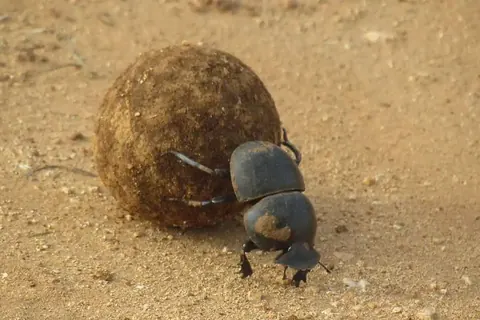
Leave the oranges behind. Citrus in the car is not allowed inside the park, because the elephants go looking for it, and in a valley full of orange farms that is an easy rule to break by accident. The flightless dung beetle is protected and has right of way, so watch the road surface. There is no fuel inside the park; fill up in Addo first. Visit Eastern Cape lists the park’s hours as 07h00 to 18h00; gate times matter, so confirm them before a long drive.
In and around Addo
37 PLACESPlaces to stay 29
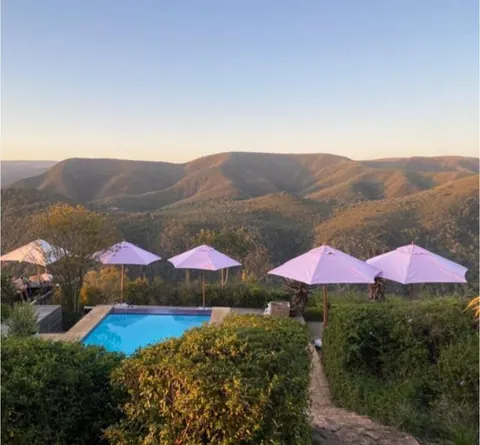
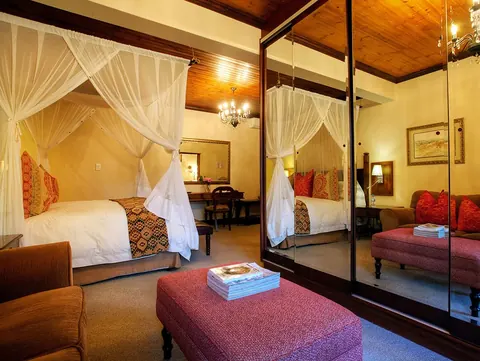
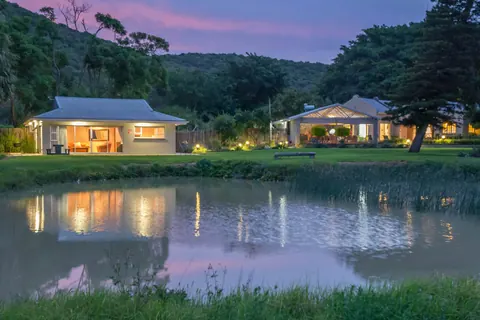
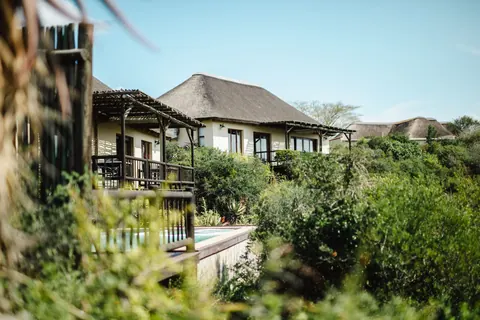 HotelHitgeheim Country LodgeOff R336 Addo / Kirkwood, Addo, Eastern Cape, 6115, South Africa+27 76 764 1885Details
Sights 3
- Moth MemorialMemorial
- Sir Percy Fitzgerald LookoutViewpoint
Restaurants and cafes 5
- TangeloRestaurant
- LenmoreRestaurant