Addo Elephant National Park
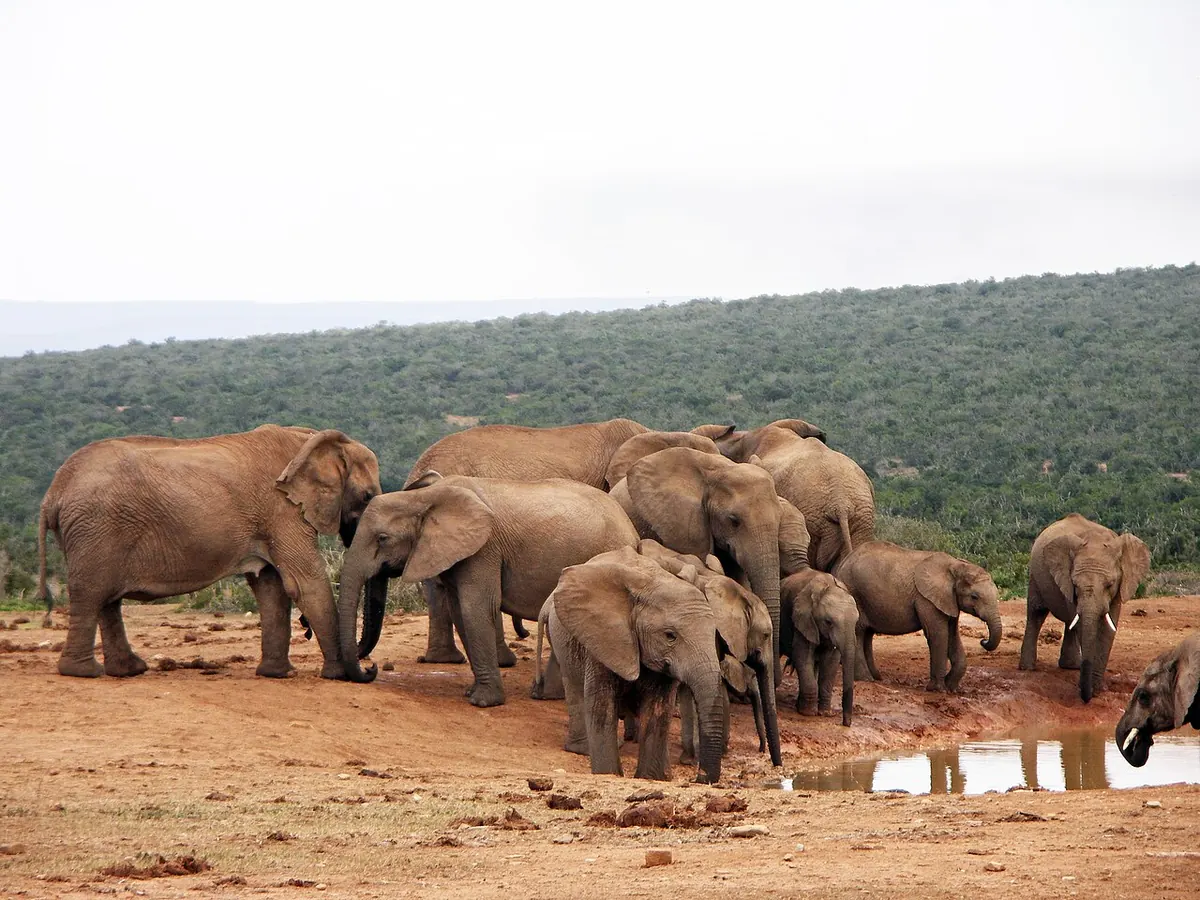
A malaria-free Eastern Cape park an hour from Gqeberha, proclaimed in 1931 to protect the last 11 elephants and now home to more than 600, with a marine section that stretches the Big Five to seven.

What you'll pay to enter Addo Elephant National Park
VALID 01 NOV 2025 TO 31 OCT 2026 · ZAR PER PERSON PER DAY
| Fee | International | SADC nationals | SA residents |
|---|---|---|---|
| Daily conservation fee | R492child R246 | R225child R112one source | R110child R54 |
- A 1% community levy is charged on top of these rates.
- Wild Card members do not pay daily conservation fees.
- Child rate applies to ages 2 to 11.
- Figures marked "one source" were found in a single published source only.
- Set by South African National Parks (SANParks). Adult rate shown first, child rate below. Official tariff
CHECKED 06 OCT 2026 · 4 SOURCES
See every place on this map as a list
Addo exists because of a near miss. By 1920 a hired hunter had reduced the Eastern Cape’s elephants to 16 animals, and the park was proclaimed in 1931 to protect what was left. Today there are more than 600, famously relaxed around cars, in a park of about 1,640 square kilometres that is South Africa’s third largest. Add the islands and coast of Algoa Bay and Addo can claim the Big Seven: the usual five plus southern right whales and great white sharks.
Getting there
The main game area is about 70 km north-east of Gqeberha (Port Elizabeth), 45 minutes to an hour by car, and the city has an airport. There are two entrances. Main Camp, in the north near Addo village, is reached off the R342. Matyholweni Gate sits in the south at Colchester, right off the N2. Take the N2 rather than the R335 through Motherwell; locals advise against that road. Tourist roads are a mix of tar and good gravel and any hire car copes. No 4x4 needed unless you book the Bedrogfontein trail.
When to go
The park is malaria-free, which is a big part of its appeal for families. May to September is dry, the grass is low and elephants gather at the waterholes on warm afternoons. Nights can touch freezing, so bring a jacket for the early drive. Summer, October to April, is greener and milder but it is also when the park gets crowded, especially in school holidays.
What to do
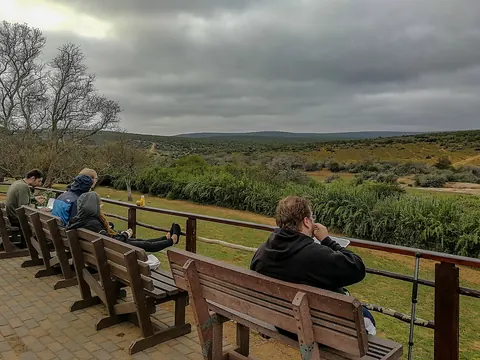
Self-drive is the main event. Hapoor Dam, Domkrag Dam, Carol’s Rest, Rooidam and Gwarrie Dam are the waterholes to park beside, and hot afternoons are when the elephants come down to drink. The Ngulube and Vukani loops are where people go looking for the lions and spotted hyenas introduced in the early 2000s. Main Camp has its own waterhole with a viewing deck and an underground hide, so you can keep watching after the gates shut.
Beyond the car there are guided sunrise and night drives, two-hour horse trails, the 36 km two-day Alexandria hiking trail through the dunefields of the Woody Cape section, and boat trips out of Gqeberha to Bird Island, which holds the world’s largest Cape gannet colony at roughly 120,000 birds, and St Croix with its African penguins.
Good to know
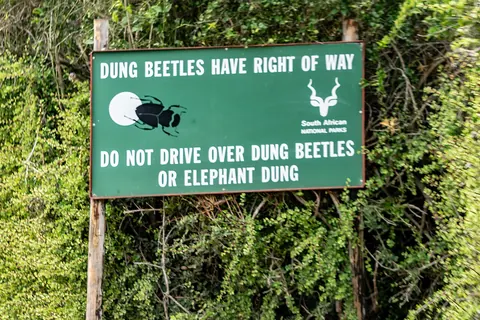
Leave citrus at home. Addo’s elephants developed a taste for oranges and the rule is strictly enforced. The flightless dung beetle has right of way; the park holds its largest surviving population and they get crushed on roads, so drive around dung, not over it. The speed limit is 40 km/h and the drive from Matyholweni up to Main Camp, about 40 km, takes most people the better part of three hours with stops. Check gate times when you book, because they change with the season.
In and around Addo Elephant National Park
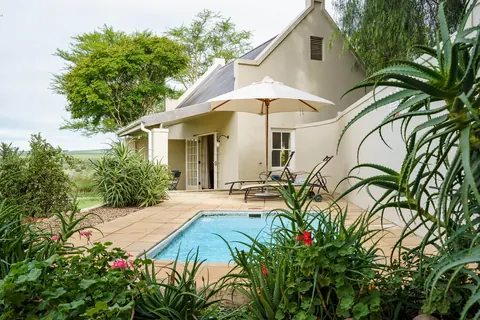
37 PLACESPlaces to stay 20
- 33.34°S 25.36°E
Sights 15
 Spekboom HideViewpoint
- Diaz CrossMonument
- Sign BoardAttraction
- Ulwazi Interpretive CentreMuseum
- Algoa Bay LookoutViewpoint
- Domkrag DamViewpoint
- Gwarrie PanViewpoint
- Hapoor Dam ViewpointViewpoint
- Kadouw Lookout PointViewpoint
- Marion Baree WaterholeViewpoint
- Ndlovu LookoutViewpoint
- Nguni River Lodge HideAttraction
Hiking trails 1
- Alexandria Hiking TrailHiking trail · 33.1 km