Tsolwana Nature Reserve
A quiet Eastern Cape Parks reserve of plains and Winterberg foothills near Tarkastad, with white rhino, Cape mountain zebra, self-catering farmhouse lodges and a two-day trail.

See every place on this map as a list
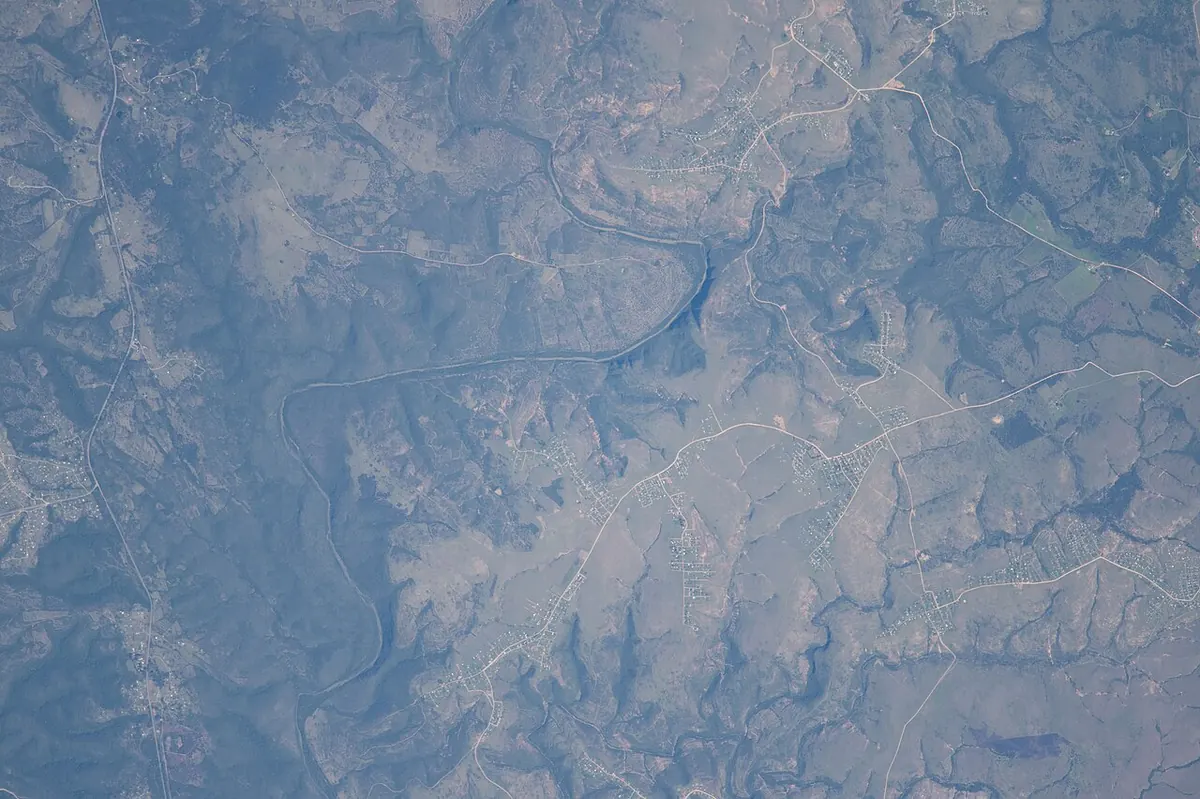
Tsolwana is an 8,500 hectare reserve on the northern slopes of the Winterberg, where the mountains fall away into Karoo plains, 60 km west of Komani (Queenstown) and 30 km south-east of Tarkastad. The Black Kei River forms its western edge. It was proclaimed in 1979 and has been run by Eastern Cape Parks since 2005. The name is Xhosa for spike, after the cone-shaped hill of Spitskop. It is a plains-game reserve with white rhino, no large predators and little in the way of fuss.
Getting there
Tsolwana lies between Tarkastad and Komani on the Winterberg side; the reserve office, curio shop and main lodge are at Tibet Park. Internal routes follow game tracks and gravel roads, and this is remote country, so the sources that cover it give the same advice: phone ahead to confirm gate arrangements and the state of the roads before you set off, and arrive with a full tank.
When to go
The altitude runs from about 1,350 m on the plains to 1,800 m in the hills, so the weather is extreme in both directions. Summer days can hit 38 degrees and most rain falls from January to March in sudden thunderstorms, sometimes with hail. Winter brings frequent snow on the Winterberg, which makes for crisp game viewing and clear light but demands proper cold-weather kit. Autumn, March to May, is the comfortable middle ground.
What to do
Game viewing is mostly self-drive on gravel, with guided drives and ranger-led walks available from the office. The open grassland and acacia thornveld hold white rhino, giraffe, eland, gemsbok, kudu, blesbok, black wildebeest, springbok, mountain reedbuck and Cape mountain zebra, with bat-eared fox, black-backed jackal, aardvark and caracal for the patient. Blue crane and Cape vulture are the headline birds. The Tsolwana Trail is a guided 22 km, two-day walk through the western part of the reserve, graded moderate, with a night in a bush camp of bunk beds and mattresses; you carry your own food. Shorter walks of a few hours can be arranged, and there are San rock art sites and river pools to swim in. Horse riding and mountain biking are also offered.
Good to know
Accommodation is in three self-catering lodges converted from old farmhouses: Tibet Park and Otterford sleep ten each and Indwe sleeps eight, and a housekeeper or cook can be booked if you bring the ingredients. There is a small curio shop at Tibet Park and nothing else, so arrive fully provisioned. Bookings go through the Eastern Cape Parks and Tourism Agency central reservations office, not the reserve itself.
In and around Tsolwana Nature Reserve
3 PLACESPlaces to stay 3
- 32.16°S 26.52°ECampsiteFundani Trail Camp
- 32.19°S 26.45°EHostelOtterford Lodge
- 32.20°S 26.49°ECampsitePumlani Trail Camp