Place to stay · Chobe National Park
Camp Linyanti (SKL)
Five-tent camp on the Linyanti River in the north-west corner of Chobe National Park, run by SKL, which also has the public campsites next door.
Camp Linyanti is a small tented camp on the bank of the Linyanti River, with Namibia on the far side, in the north-west corner of Chobe National Park. This corner is north of Savuti, and SKL sells it on being off the usual safari circuit, with the Selinda Reserve to the west. It is run by SKL, the company behind Camp Savuti and Crocodile Camp in Maun.
What to expect
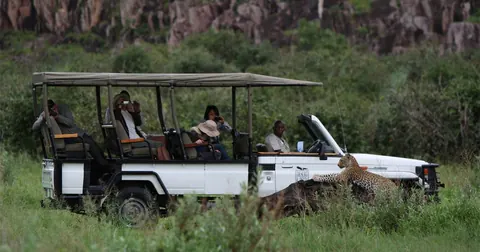
There are five Meru-style tents, each with its own bathroom and air-conditioning. The main lodge has wooden decks looking onto the river, and there is a boma with a campfire. Activities are game drives in the park, boat cruises on the Linyanti River and birding. Lion are seen here and the area is known for its numbers of elephant. Wikipedia lists sitatunga and Nile crocodile in the Linyanti marsh too.
Practical details
- SKL describes the usual route in as a flight of about 90 minutes to an airstrip, then a two-hour drive through the park. The airstrip is Saile.
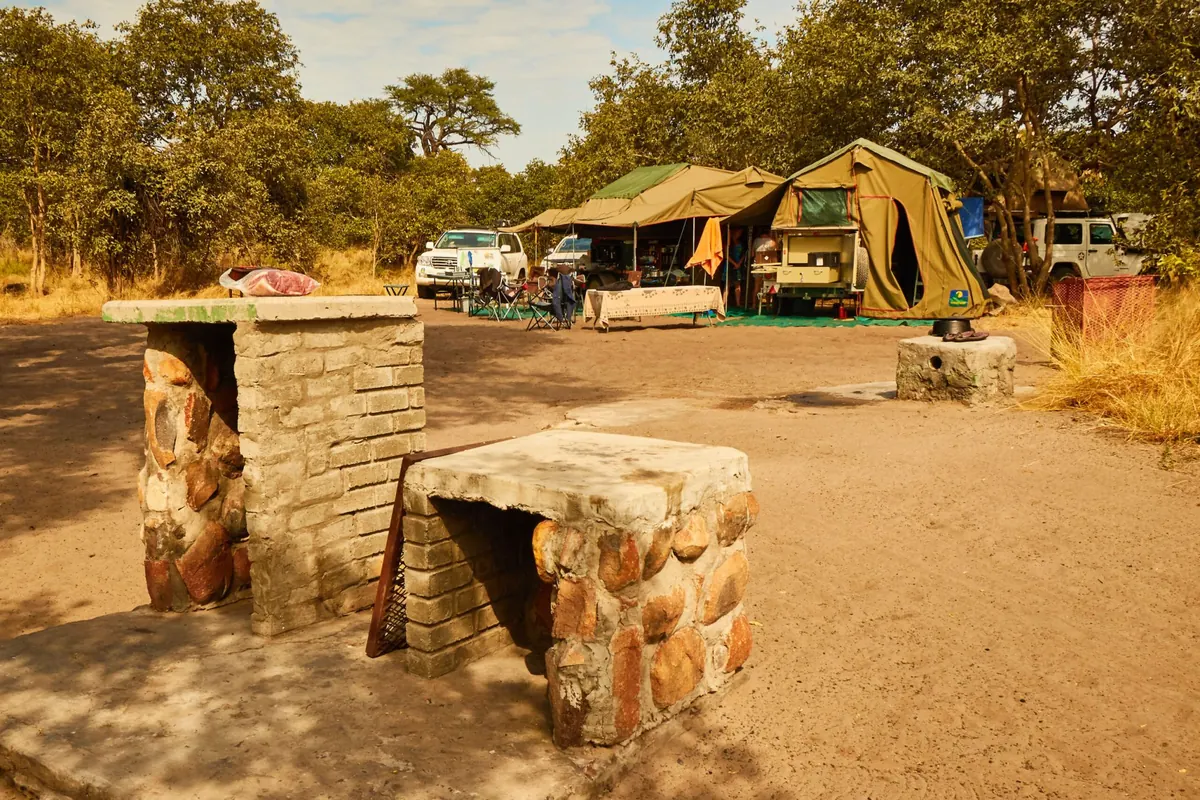
- The same company runs five public campsites at Linyanti, with ablution blocks and showers, reached by self-driven 4x4. Do not confuse the two when booking.
- Bookings go through SKL.
Good to know
This camp is inside the national park, not in the private reserves to the west, so park rules apply. SKL’s own page is thin on detail, so ask them about seasonal opening, how high the river is for boating and what is included before you commit.
Last updated 12 October 2026. Sources: SKL Group of Camps, Camp Linyanti, SKL Group of Camps, Linyanti campsites, Wikipedia, Chobe National Park, SKL Group of Camps, Crocodile Camp.
Selous's dead sitatunga and a bull that drank the gin
In the winter of 1879 Frederick Selous made a hunting camp on this bank of the river, “nearly opposite Linyanti” as he put it. He meant the dead Makololo capital on the far side, where Sangwali in Namibia is now, so his camp was some way upstream of today’s one. He and a partner called Miller shot four elephants and a great many buffalo. What he really wanted was a sitatunga, and he went after one by canoe almost every day at first light and again after sunset. He saw a single female, at dusk, belly deep among the reeds, and never got a shot. Then early on 5 August he found a thick-necked old ram lying dead on boggy ground where the reeds had been burnt off, with a deep wound in its side. Selous thought a rival had done it in the night. He kept the head, and the horns are listed with their measurements in A Hunter’s Wanderings in Africa.
Sitatunga do live in this marsh. Selous is the honest measure of your chances.
Five hours by canoe from the other bank
The swamp in front of the deck is wider than it looks. Later that August Selous crossed to ask a headman called Mamele for leave to hunt elephant on the north side. Paddling back through the channels took about five hours. In September he passed the site of the old town and found wagon tyres and nave bands lying about. They came off the wagons of the 1860 mission party whose deaths we tell on the Linyanti page. Buffalo had moved in where Makololo cattle once grazed, and tsetse with them.
The roads you are not meant to drive
SKL’s own account is that Ren Mbulawa and Goran Hansson formed the company in 2008 and were awarded the park campgrounds in 2009. By the end of 2013 a 4x4 forum regular was describing Camp Linyanti as the tented camp next door that ran the public sites. He added that it had made several roads of its own with the wildlife department’s permission, which self-drivers are not meant to use and which were not always marked. A camper in July 2017 found a deck and a few tented rooms being built. I have one source for each of those dates.
It matters because of a complaint self-drivers make about Linyanti: there is very little public track, five or eight miles by one forum member’s reckoning. The same 2013 post said campers could book a guided drive or a boat trip at the tented camp when it had room, and SKL still lists both.
Hippos until two in the morning
I have not found a long account of a stay in the tents, but the campsites share the same bank and plenty of people have described those nights. Hippos are the constant. One party there in late May 2021 listened to a pod feeding on the floodplain until about 2 am on their first night and had lions roaring close by on the second. A July camper had lions on both his nights and a leopard too.
Elephants use the camp as a path to the water. The 2021 party met a whole breeding herd coming away from the river in the late afternoon, and the 2017 camper woke around midnight to elephants feeding in camp. She also tells of a bull that walked into camp in the afternoon while she and her mother sat it out in the car. He lifted a gin and tonic out of a camping chair’s cup holder, tipped it into his mouth and ate the lemon. That is one traveller’s story.
Do not expect plains game. The same writer saw none, and the 2021 visitors mention red lechwe on the floodplain and no other antelope. The birding is easier: they logged 60 species in a weekend without trying hard.
Park fees
Camp Linyanti (SKL) is inside Chobe National Park. International visitors pay from US$20 €18 · P270 a day. See all Chobe National Park fees