Tygerberg Nature Reserve
A City of Cape Town reserve on the Tygerberg hills above Bellville, protecting rare renosterveld with 13 km of easy trails and a 360-degree view of the Peninsula.

What you'll pay to enter Tygerberg Nature Reserve
VALID 01 JUL 2026 TO 30 JUN 2027 · ZAR PER PERSON PER DAY
| Fee | All visitors |
|---|---|
| Daily entry | R40child R20one source |
- Adult rate applies from age 18. Child rate applies to ages 3 to 17. Children under 3 enter free.
- Senior citizens (60 and over, with proof of age) and students with a valid student card pay R20.
- Members of the reserve's Friends group enter free with proof of membership.
- Fees are unchanged from 2025/26.
- Figures marked "one source" were found in a single published source only.
- Set by City of Cape Town. Adult rate shown first, child rate below. Official tariff
CHECKED 06 OCT 2026 · 1 SOURCES
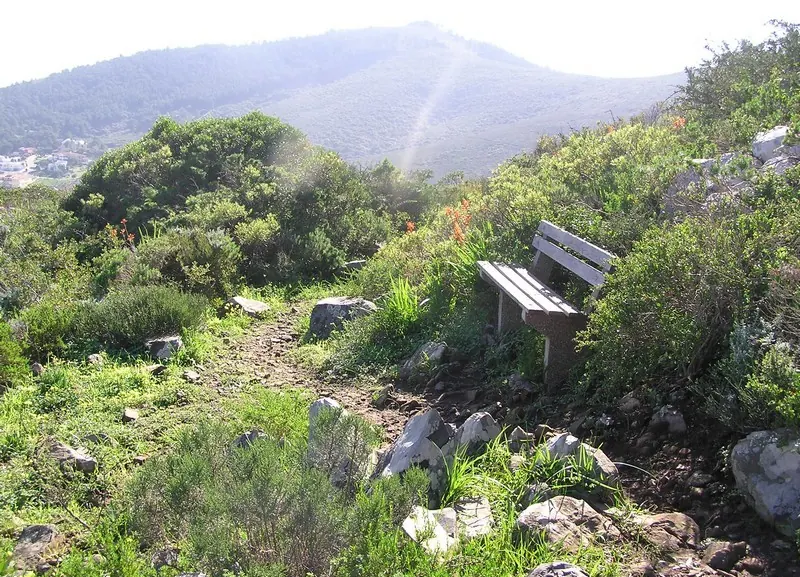
Tygerberg Nature Reserve is a city reserve on the hill that gives Cape Town’s northern suburbs their name. Proclaimed in 1973 and run by the City of Cape Town, it protects roughly 300 hectares of Swartland Shale Renosterveld, a vegetation type almost gone under wheat and housing. Around 560 plant species grow here, eight found only in Cape Town and three only inside this fence. People come for a short walk with a very long view: Table Mountain, False Bay, the Cape Flats and Robben Island at once.
Getting there
The main entrance is at Totius Street in Welgemoed, Bellville, off the N1 in the northern suburbs. A second gate at Meyboom Avenue, Plattekloof, closes earlier on weekdays. Most trails start from Welgemoed, where there is parking and a picnic area. Hours shift with the season. In summer (roughly October to March) the reserve is open 07:30 to 18:00 on weekdays and to 19:00 on weekends and public holidays; in winter it closes an hour earlier. The City’s own listing uses slightly different months, so check before a late afternoon visit. Closed on Christmas Day and Good Friday.
When to go
Spring, August to October, is the reason to come. Renosterveld looks like dull grey scrub for most of the year and then throws out bulbs, daisies and watsonias. A big fire burnt much of the hill in January 2024, and the City said at the time that old veld burning like that rejuvenates it and brings on a heavy flower season. Clear winter days after a front are the best for the view. Summer afternoons are hot and exposed with little shade, so go early.
What to do
There are about 13 km of marked paths, graded easy to moderate and all short. The Wild Olive loop is under 400 m; Tortoise, Duiker, Watsonia and Induli run from about 1.3 km to 2 km; Ukhetshe (2.9 km) and Golden Mole (3.7 km) climb higher and deliver the view. A wheelchair-accessible path leads from the picnic area to a lookout. Expect tortoises, striped mice and jackal buzzards overhead; 137 bird species and 24 mammal species are recorded. The Kristo Pienaar Environmental Education Centre near the gate has a library and runs school programmes. A cannon from the 1700s stands on the summit and is fired on some public holidays.
Good to know
Paths get slippery after rain, so wear proper shoes. Carry water and snacks. Sources disagree about dogs, with one listing calling the reserve pet friendly and another saying dogs are prohibited, so assume no and phone ahead if that matters. Plattekloof Dam just west of the hills is being restored to a natural wetland. Half a day is plenty.