Park · Northern Cape, South Africa
Tankwa-Karoo National Park
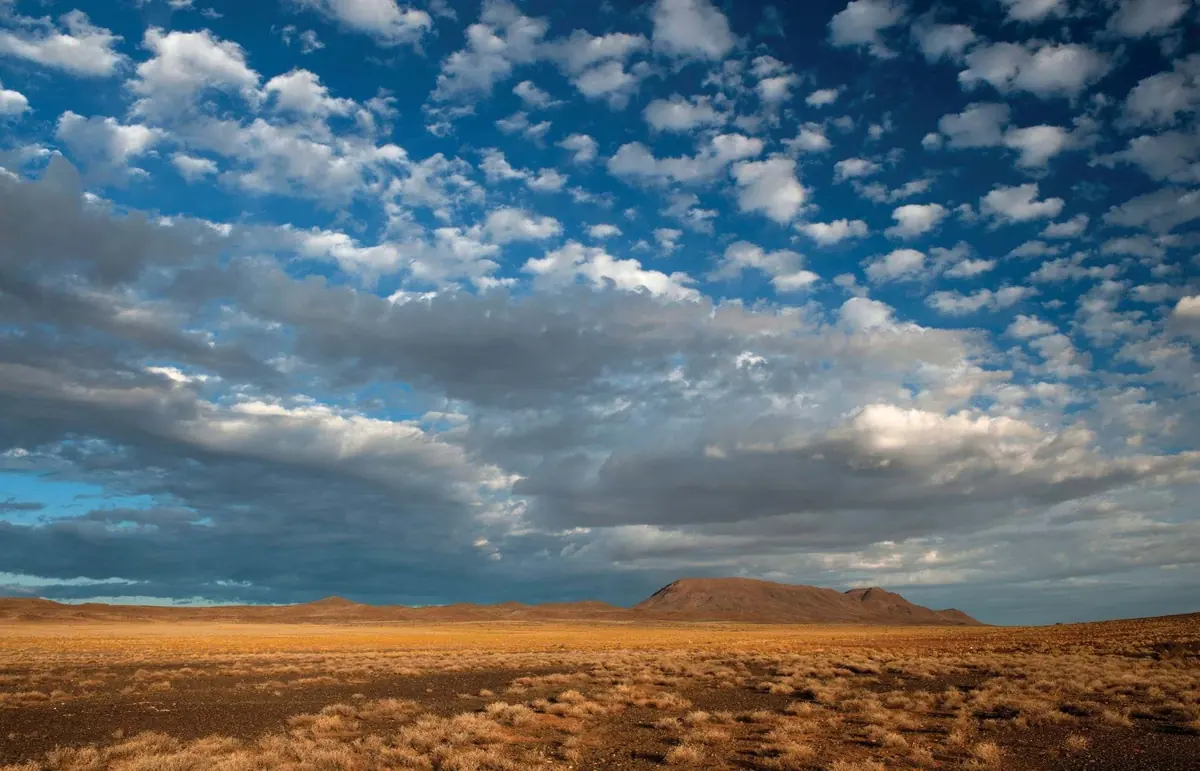
The emptiest national park in South Africa: succulent Karoo flats below the Roggeveld escarpment, reached by tyre-shredding gravel, with no fuel, shops or signal.
Short answer
At Tankwa-Karoo National Park, international visitors pay R295 (about US$17, €15.50 or £13) per adult and R133 per child per day. The rates apply from 1 November 2026 to 31 October 2027.
- Daily fee, international adult
- US$17 €15 · R295
- Places to stay
- 33
- Where
- Northern Cape, South Africa32.28°S 19.96°E
Tankwa-Karoo National Park fees 2026/27
Checked South African National Parks tariffValid 1 November 2026 to 31 October 2027, per person per day, in rand.
| Who | Adult | Child |
|---|---|---|
| International visitorsUS, Europe and everyone else | US$17 €15 · R295 | US$8 €7 · R133 |
| SADC nationals | R130 | R65 |
| South African residents | R63 | R32 |
- These rates apply from 1 November 2026.
- Adults are 12 and older. Child rate applies to ages 2 to 11; children under 2 enter free.
- Members of the SANParks WILD loyalty programme (Wild Card) do not pay daily conservation fees if they show ID and their card on arrival.
- Wild Card holders do not pay daily fees. Is the Wild Card worth it for you?
- Fees are set by South African National Parks. Official tariff · Seen a new rate? Tell us
US$1 = R17.47 · €1 = R19.20 · £1 = R22.93 (ECB rate, 20 Nov 2026). Converted amounts are approximate; you pay in rand.
How we got these figures
- SANParks conservation fees 2026-11-01 to 2027-10-31 (official tariff) · official · checked 7 Oct 2026
Tankwa Karoo National Park is where you go when even the Karoo feels busy. It covers about 1,436 square kilometres of succulent Karoo on the Northern Cape and Western Cape border, hemmed in by the Roggeveld mountains to the east and the Cederberg to the west. Parts of it get less than 100 mm of rain a year. There are no shops, no fuel, no restaurants and almost no cellphone signal. People come for the silence, the night sky and, after good winter rain, flowers.
Getting there
Headquarters are at Roodewerf, roughly four hours from Cape Town. Both approaches use the R355, the long gravel road between Ceres (about 180 km) and Calvinia (about 110 km); Middelpos is 52 km away and Sutherland lies over the escarpment to the east. The sharp shale on the R355 is hard on tyres, so arrive with at least one sound spare, check its pressure before you leave and make sure you know how to change it. Keep to 80 km/h or less and slow right down where tar turns to gravel. A normal car can reach the main camps if driven gently, but high clearance and strong tyres make the whole trip less tense, and the Elandsberg and other 4x4 tracks need a proper vehicle.
When to go
August to October is the season most people aim for. If the winter rain has come, the flats turn to flowers and the birding peaks. January is the hottest month with a mean maximum near 39 degrees; July nights drop to 5 to 7 degrees. Wind is strongest from October to March and dust can cut visibility.
What to do
Driving is the main activity. The Gannaga Pass climbs 548 m through the Roggeveld towards Middelpos on gravel with 45 bends, four of them sharp hairpins; the Ouberg Pass is the other way up the escarpment. The Elandsberg viewpoint looks out over the plains. There are no formal hiking trails. You may walk only on the marked roads close to your booked accommodation, and get out of the car at the viewpoints. Gemsbok, springbok, red hartebeest and Cape mountain zebra have been reintroduced, but the herds are small for such a big park (only 19 zebra were brought in up to 2009), so don’t count on seeing all of them. Springbok and gemsbok are the likeliest. Kudu are on the park’s mammal list too, and leopard are around but rarely seen. About 188 bird species are recorded, including Karoo specials such as Burchell’s courser, Karoo eremomela, Karoo long-billed lark and Ludwig’s bustard. At night there is nothing between you and the stars.
Good to know
- Fill the tank at the last town you pass and fill it again if you get another chance. Calvinia, roughly 90 to 110 km away depending on where you are in the park, is the nearest dependable fuel, and a jerry can is sensible.
- Bring all food and water. You may not collect firewood or kindling in the park. Reception has sold firewood, but bring your own in case it has run out. There is a reception office at Roodewerf with limited hours and nothing else.
- Accommodation is spread out: the Tanqua Guesthouse near the office, Paulshoek cottage 5 km away, Varschfontein cottage 45 km away, the Elandsberg Wilderness Camp 18 km out, and basic campsites. All are self-catering.
- Driving at night is not allowed: no travel from 19:00 to 05:30 between October and March, or 18:00 to 06:30 between April and September, so plan to arrive in daylight.
- Heavy rain or snow can close the access roads. In July 2024 SANParks shut the whole park for a time when snow made every road impassable.
Wildlife you might see
13- likelySpringbokOpen plains along the park roads. All yearsource
- likelyGemsbok (oryx)Open plains; reintroduced to the park. All yearsource
- likelyPale chanting goshawkPerched on dry shrubs and small trees beside the roads. All yearsource
- possibleRed hartebeestOpen plains; reintroduced to the parksource
- possibleCape mountain zebraReintroduced; numbers are small, so do not count on itsource
- possibleElandsource
- possibleKudusource
- possibleKaroo specials (Burchell's courser, Karoo eremomela, Karoo long-billed lark, black-eared sparrow-lark, black-headed canary)Open gravel plains and low shrubland. Best August to October, the peak birding seasonsource
- possibleLudwig's bustard and kori bustardOpen plainssource
- possibleVerreaux's (black) eagle and secretarybirdsource
- possibleWaterbirdsOudebaaskraal Dam, when it holds watersource
- rareBat-eared fox, caracal and aardvarkMostly active at night, and you may not drive in the park after darksource
- rareLeopardOn the park's mammal list but very seldom seensource
Likelihood is for a normal visit of two or three days, from the sources linked. Nothing is guaranteed in the wild.
Staying safe in Tankwa-Karoo National Park
- Tyres and gravel roads
- Every road in the park is gravel, the stones are sharp and the access roads are often in poor condition. Never go over 80 km/h, slow right down where the tar ends and at motor grids, do not let the wheels lock under braking, and bring an extra spare wheel, tools and spares. source
- No fuel or shops
- There are no shops, restaurants or organised services in the park. Get all your fuel and supplies in Ceres, Calvinia or Touws River before you turn onto the gravel, and keep plenty of drinking water in the car in case you break down. source
- No night driving
- You may not drive in the park between 19:00 and 05:30 from October to March, or between 18:00 and 06:30 from April to September. Camps are far apart, so time the drive in to arrive well before dark. source
- Heat and cold
- Summer is very hot and winter can be very cold. January and February are the hottest months, the mean January maximum is about 38 degrees (50 degrees has been recorded) and the mean July minimum is about 6 degrees. In summer drive early, keep water in the car and do not set off walking in the midday heat. source
- Scorpions and spiders
- The park is prime scorpion and spider country. Do not sleep on the bare ground, and shake out shoes and bedding when camping. source
- Road closures in bad weather
- Snow or heavy rain can shut the park. In July 2024 SANParks closed the whole park and all its access roads because of snowfall, so check for notices before a winter trip. source
Tips from travellers
- There are no marked hiking trails. You may walk or cycle on the park roads close to your booked accommodation, which is the way to get out of the car here. one source
- On the 4x4 Community forum, drivers who know the R355 say they let their tyres down to around 1.5 to 1.8 bar and keep to about 70 km/h, because an over-inflated tyre is what the sharp stones cut. Some carry a second spare and a repair kit, though others have driven it many times at normal pressures with no trouble. one source
- Flowers come out from August to October, but only after decent winter rain. In a dry year the plains stay bare, so watch rainfall reports before you plan a trip around them. several sources
- You need your own vehicle and there are no organised game drives, restaurants or shops. Bring enough food for the whole stay and some extra water for emergencies. official
- Pack binoculars. The birding is the main wildlife draw, with secretarybirds, Burchell's coursers, Verreaux's eagles and spike-heeled larks among the birds to look for. official
Checked 7 October 2026. Conditions change, so confirm with the park or venue before you go.
In and around Tankwa-Karoo National Park
36 places listedWhere to stay in Tankwa-Karoo National Park 33
- 32.11°S 20.12°EGuest houseGannaga Lodge+27 79 922 1688gannagalodge.co.za
- 32.39°S 19.89°EChaletJaghut Cottage
- 32.25°S 19.84°ECampsiteBiesjesfontein
- 32.25°S 19.84°ECampsiteBiesjesfontein Camp Site
- 32.25°S 20.11°EChaletDe Zyfer Cottage
- 32.17°S 19.97°EChaletElandsberg 1
- 32.18°S 19.98°EChaletElandsberg 10
- 32.17°S 19.97°EChaletElandsberg 2
- 32.17°S 19.98°EChaletElandsberg 3
Show all 33 places to stay
- Elandsberg 4 · Chalet
- Elandsberg 5 · Chalet
- Elandsberg 6 · Chalet
- Elandsberg 7 · Chalet
- Elandsberg 8 · Chalet
- Elandsberg 9 · Chalet
- Elandsberg Cottages · Chalet
- Kliphuisie · Chalet
- Langkloof Camp 1 · Campsite
- Langkloof Camp 2 · Campsite
- Langkloof Campsite · Campsite
- Maansedam Farmhouse · Chalet
- Oom Rickert se Huis Camp Site · Campsite
- Paulshoek Cottage · Chalet
- Perdekloof 1/2 · Campsite
- Perdekloof 3/4 · Campsite
- Perdekloof 5/6 · Campsite
- Perdekloof Camp Site · Campsite
- Pyper se Boom · Campsite
- Skaapwagterspos Camp Site · Campsite
- Steenkampshoek Camp Site · Campsite
- Tanqua Guesthouse · Chalet
- Varschfontein Cottage · Chalet
- Volmoersfontein Camp Site · Campsite
Sights 3
- Abrahamsknie WaterholeViewpoint
- Elandsberg ViewpointViewpoint
- Oudebaaskraal Dam ViewpointViewpoint
Quick answers
How much is the entry fee for Tankwa-Karoo National Park?
International visitors pay R295 (about US$17, €15.50 or £13) per adult and R133 per child per day. These rates apply from 1 November 2026 to 31 October 2027 and are set by South African National Parks (SANParks).
Do South Africans and SADC citizens pay less at Tankwa-Karoo National Park?
South African residents pay R63 per adult and SADC nationals pay R130 per adult per day. You need ID or a passport to get the lower rate.
When were these Tankwa-Karoo National Park fees last checked?
We last checked them on 7 October 2026 against 1 published source. We re-check every two weeks, but always confirm with South African National Parks (SANParks) before you travel.
What animals can you see in Tankwa-Karoo National Park?
You have a good chance of seeing springbok, gemsbok (oryx) and pale chanting goshawk. Bat-eared fox, caracal, aardvark and leopard are there but rarely seen.
Tankwa-Karoo and the parks nearest it
| Park | International adult | Distance | Where |
|---|---|---|---|
| Tankwa-Karoo National Park | US$17 €15 · R295 | · | Northern Cape |
| West Coast National Park | US$10 €9 · R166 | 199 km | Western Cape |
| Bontebok National Park | US$13 €12 · R227 | 204 km | Western Cape |
| Tygerberg Nature Reserve | US$2 €2 · R40 | 217 km | Western Cape |
Where the Tankwa-Karoo fees come from
Open data: all park fees (CSV) · JSON (CC BY 4.0)
Cite as: Travel Africa Guide, "Tankwa-Karoo National Park fees 2026/27", checked 7 October 2026, https://travelafrica.guide/south-africa/tankwa-karoo-national-park/
Map of Tankwa-Karoo National Park
See every place on this map as a list