Park · Western Cape, South Africa
Karoo National Park
Escarpment and plains park just off the N1 at Beaufort West, with lions, Cape mountain zebra, a fossil trail and the Klipspringer Pass. The classic overnight stop between Cape Town and Johannesburg.
Short answer
At Karoo National Park, international visitors pay R358 (about US$20, €18.50 or £15.50) per adult and R179 per child per day. The rates apply from 1 November 2026 to 31 October 2027.
- Daily fee, international adult
- US$20 €19 · R358
- Malaria
- The park is malaria-free.
- Places to stay
- 3
- Where
- Western Cape, South Africa32.27°S 22.31°E
Karoo National Park fees 2026/27
Checked South African National Parks tariffValid 1 November 2026 to 31 October 2027, per person per day, in rand.
| Who | Adult | Child |
|---|---|---|
| International visitorsUS, Europe and everyone else | US$20 €19 · R358 | US$10 €9 · R179 |
| SADC nationals | R158 | R78 |
| South African residents | R76 | R38 |
- These rates apply from 1 November 2026.
- Adults are 12 and older. Child rate applies to ages 2 to 11; children under 2 enter free.
- Members of the SANParks WILD loyalty programme (Wild Card) do not pay daily conservation fees if they show ID and their card on arrival.
- Wild Card holders do not pay daily fees. Is the Wild Card worth it for you?
- Fees are set by South African National Parks. Official tariff · Seen a new rate? Tell us
US$1 = R17.47 · €1 = R19.20 · £1 = R22.93 (ECB rate, 20 Nov 2026). Converted amounts are approximate; you pay in rand.
How we got these figures
- Checked against the official SANParks tariff on 7 October 2026. Before that these figures came from published reports (places.co.za). They matched the official sheet.
- SANParks conservation fees 2026-11-01 to 2027-10-31 (official tariff) · official · checked 7 Oct 2026
Karoo National Park sits just off the N1 about 6 km south of Beaufort West, roughly halfway between Cape Town (about 500 km) and Johannesburg (about 1000 km). Most people stop for one night on the long drive and then wish they had booked two. The park covers around 770 square kilometres of the Great Karoo, climbing from plains at about 850 m onto the Nuweveld escarpment above 1300 m. It is a landscape park first, with wide views and quiet, and a surprising amount of game.
Getting there
The gate is on the N1, 6 km south of Beaufort West, and a short road runs from there to the main rest camp. There is no fuel inside the park; Beaufort West has filling stations about 10 km from the camp, so top up before you turn in.
When to go
Spring (September to mid November) and autumn are the comfortable seasons. Summer days from October to March can reach 40 degrees, which makes the midday hours a write-off. Winter (June and July) brings clear days but nights well below freezing, and snow sometimes shows on the escarpment. Rainfall averages only about 200 mm a year, so do not expect green.
What to do
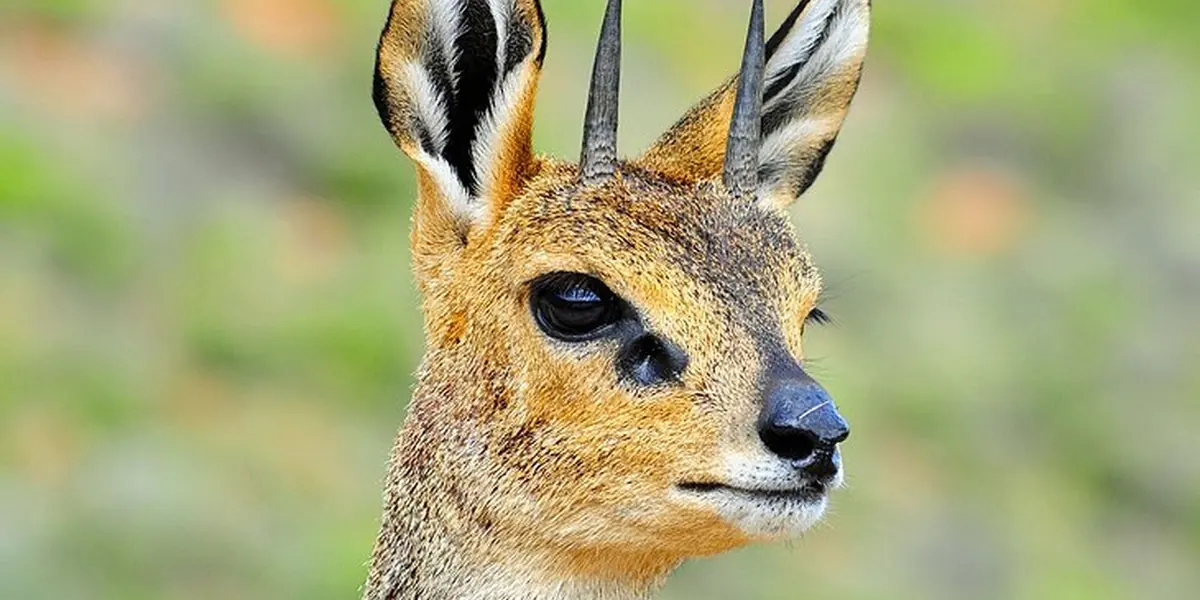
The two main game-viewing routes need no 4x4. The 13 km Lammertjiesleegte loop crosses the plains below the camp, where red hartebeest, eland, both kinds of zebra, kudu and springbok are regular sightings. The Klipspringer Pass is the park’s signature: a 49 km circular route that climbs the escarpment to the Rooivalle viewpoint, with kudu and klipspringer on the slopes. Regulars recommend combining the Potlekkertjie loop, the Klipspringer Pass and the Doornhoek picnic site at the western end into one unhurried morning. Day visitors can also use the Bulkraal picnic site, which has braai places and toilets. The Nuweveld 4x4 eco-trail (about 90 km into the western section, with steep rocky stretches) and the shorter Afsaal trail (13 km) are for proper 4x4 vehicles.
Walking is restricted because lions were reintroduced in 2010. The 400 m Karoo Fossil Braille Trail at the rest camp is built for visitors with disabilities and explains the geology and fossils of the Great Karoo. The Bossie Trail (800 m) is the other short walk. Older tourism pages also list an 11 km Fonteintjieskloof trail, but I have not found a recent source saying it is still open to walkers now that lions are back, so ask at reception before planning on it. Guided night drives leave from the camp.
Other animals to look for: Cape mountain zebra, red hartebeest, eland, black rhino, bat-eared fox and black-backed jackal. The park has five tortoise species, said to be the most of any park in the world, and some 20 pairs of Verreaux’s eagles breed on the cliffs.
Good to know
- Stay in your vehicle outside the camp. This is lion country now, even if you never see one.
- The rest camp has a shop, a licensed restaurant (breakfast 07:00 to 10:00, dinner 18:00 to 21:00), a swimming pool and a bird hide on the dam.
- Rain in this dry country can shut the roads fast. After heavy rain in May 2026 SANParks closed every internal road except the one from the gate to the rest camp and campsite, and flash floods in September 2026 broke Beaufort West’s main water pipeline for about two weeks. Check the park notices if the forecast is wet.
Wildlife you might see
15- very likelySpringbokIn herds on the Lower Karoo plains along the Lammertjiesleegte route. All yearsource
- likelyGemsbok (oryx)Plainssource
- likelyCape mountain zebraLammertjiesleegte route on the plainssource
- likelyRed hartebeestsource
- likelyKudu and klipspringerKlipspringer on the Klipspringer Pass; kudu on the plains drivessource
- likelyVerreaux's (black) eagleOver the cliffs of the Nuweveld escarpment, where more than 20 pairs breedsource
- possibleBlack wildebeestsource
- possibleOstrichsource
- possibleElandsource
- possibleTortoises (five species, from leopard tortoise to the tiny Karoo dwarf tortoise)source
- possibleBat-eared fox and black-backed jackalBat-eared foxes come out mostly at night, so a guided night drive gives the best chancesource
- rareAardvark and caracalGuided night drivessource
- rareLionReintroduced in 2010 and only occasionally seensource
- rareBlack rhinosource
- rareRiverine rabbitResettled here; one of South Africa's most endangered mammalssource
Likelihood is for a normal visit of two or three days, from the sources linked. Nothing is guaranteed in the wild.
Hikes and walks
3- Fossil Trail
A 400 m trail with real fossils and boards on Karoo geology and palaeontology. It was built for wheelchair users and has Braille panels.
Beaufort West tourism - Bossie Trail
A short walk among Karoo shrubs and succulents. Lions are back in the park, so ask at reception whether you can walk it on your own.
Roxanne Reid, Africa Addict - Guided walks
Free walks with an armed ranger go out at 06:00, 10:00 and 15:00. Check the times when you book.
Permit: Book at reception by 19:00 the evening before
LekkeSlaap
Staying safe in Karoo National Park
- Malaria
- The park is malaria-free. In South Africa malaria is limited to the far north east (parts of Limpopo, Mpumalanga, northern KwaZulu-Natal and Kruger), a long way from the Karoo. source
- Lions
- Lions have been back since 2010. The rest camp has a low electrified fence so you can walk around freely inside it. Outside the fences, stay in your car and walk only with an armed ranger on a guided walk. source
- Heat and cold
- Summer days can reach 40 degrees, so carry plenty of water and do your driving early and late. Winter nights drop below freezing and snow sometimes falls on the peaks. Pack for both if you are coming in spring or autumn. source
- Roads after rain
- Heavy rain can close the park roads quickly. In May 2026 every internal road except the one from the gate to the rest camp and campsite was shut. If rain is forecast, phone the park (023 415 2828) before you count on the Klipspringer Pass. source
- Snakes
- Cobras, puff adders and horned adders live here. Watch where you put your feet on the trails and use a torch around camp at night. source
Tips from travellers
- There is no fuel in the park. Fill up in Beaufort West, about 10 km from the rest camp, before you turn off the N1. one source
- The Bulkraal picnic site on the Lammertjiesleegte road has a swimming pool, braai spots and toilets, which is very welcome on a hot afternoon. Doornhoek on the Potlekkertjie loop is the other picnic stop. several sources
- The 4x4 routes are rough gravel with few places to turn round. Do not try them in a normal car or soft-roader. one source
- Phone signal is only at the main rest camp and campsite, not at the outlying cottages. one source
- The guided night drive is the best chance of nocturnal animals like aardvark, aardwolf and caracal. Ask about it at reception when you arrive, it costs extra. one source
Checked 7 October 2026. Conditions change, so confirm with the park or venue before you go.
In and around Karoo National Park
10 places listedWhere to stay in Karoo National Park 3
- 32.32°S 22.34°EGuest houseAfsaal Cottage
- 32.17°S 22.28°EGuest houseEmbizweni Cottage
- 32.33°S 22.49°ECampsiteKaroo National Park Camp Site
Sights 7
- Bird HideAttraction
- FarmRuins
- Lookout PointAttraction
- Rooivalle ViewpointViewpoint
- SpookbosAttraction
- Viewpoint Klippspringer PassViewpoint
- Waterhole ViewpointViewpoint
Quick answers
How much is the entry fee for Karoo National Park?
International visitors pay R358 (about US$20, €18.50 or £15.50) per adult and R179 per child per day. These rates apply from 1 November 2026 to 31 October 2027 and are set by South African National Parks (SANParks).
Do South Africans and SADC citizens pay less at Karoo National Park?
South African residents pay R76 per adult and SADC nationals pay R158 per adult per day. You need ID or a passport to get the lower rate.
When were these Karoo National Park fees last checked?
We last checked them on 7 October 2026 against 1 published source. We re-check every two weeks, but always confirm with South African National Parks (SANParks) before you travel.
What animals can you see in Karoo National Park?
Most visitors see springbok. You have a good chance of seeing gemsbok (oryx), cape mountain zebra, red hartebeest, kudu, klipspringer and verreaux's (black) eagle. Aardvark, caracal, lion and black rhino are there but rarely seen.
What are the best hikes in Karoo National Park?
Fossil Trail (0.4 km), Bossie Trail (0.8 km) and Guided walks. See the hikes section for times, difficulty and permits.
Karoo and the parks nearest it
| Park | International adult | Distance | Where |
|---|---|---|---|
| Karoo National Park | US$20 €19 · R358 | · | Western Cape |
| Camdeboo National Park | US$13 €12 · R227 | 203 km | Eastern Cape |
| Tankwa-Karoo National Park | US$17 €15 · R295 | 221 km | Northern Cape |
| Garden Route National Park | US$11 €10 · R190 | 234 km | Western Cape |
Where the Karoo fees come from
Open data: all park fees (CSV) · JSON (CC BY 4.0)
Cite as: Travel Africa Guide, "Karoo National Park fees 2026/27", checked 7 October 2026, https://travelafrica.guide/south-africa/karoo-national-park/
Map of Karoo National Park
See every place on this map as a list